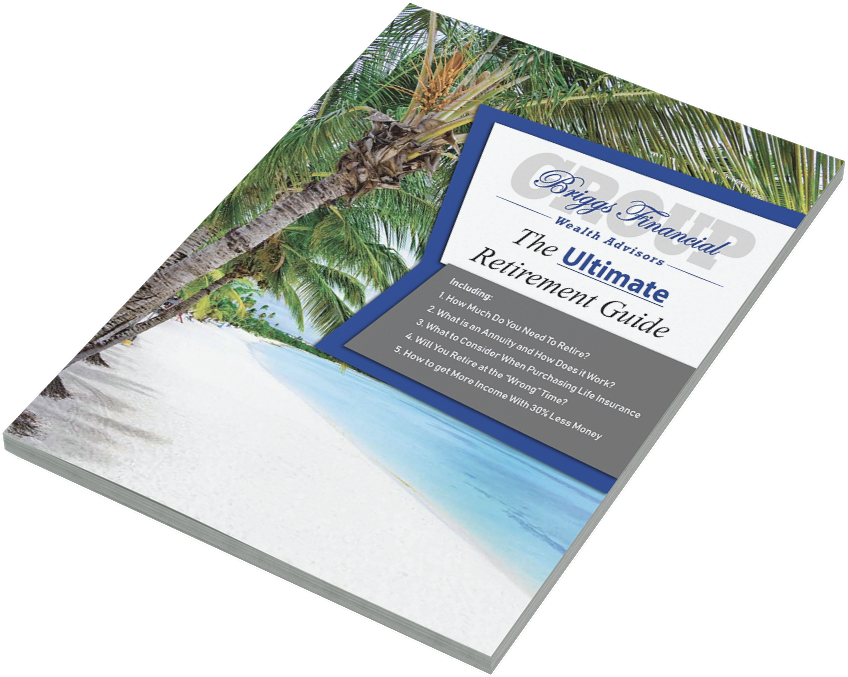

If retirement is on the horizon, you might be wondering if you will be able to maintain your lifestyle after retirement. For most people, a retirement portfolio is based on their investment objectives, risk tolerance, and timelines.
The above three factors play a major role in determining whether your current portfolio can support your anticipated retirement lifestyle and long-term goals.
We’re all interested in the looking toward a stable retirement that is free from financial stressors. Yet when it comes to retirement, that interest often turns into a concern or even a worry.
The question is how do you take full advantage of retirement and maintain your lifestyle despite the significant drop in your income after retirement?
Before You Retire
When it comes to preparing for retirement funding, the most important tip you could implement is to start at the right time, and for good reason. If you rely solely on your statutory retirement allowance, you will have to live on almost a quarter of your current income. Or even suffer a much more significant decrease depending on your situation. To prepare for a drop in income in advance you may consider the following.
- Fully payoff your main home and carry out any necessary renovation work. One less rent or loan to pay makes a huge difference!
- Build up savings that will allow you to finance certain extras or deal with the unexpected. Start now by placing a monthly standing order on your savings account for this purpose.
- Acquire financial or real estate assets that can generate recurring income. Your banker can effectively assist you in building a portfolio adapted to your investor profile. With a reduced savings capacity, rental investment is an avenue to explore. During an investment in credit, the rents from tenants cover all or part of the monthly repayments of the mortgage. When the loan is fully paid off at retirement age, the rent becomes a pension supplement.
- Life insurance for flexibility of use: Some subscriptions to life insurance contracts entail different tax advantages at the time of payments. Additionally, the investment offers a great deal of freedom because the frequency and amount of capital invested remain flexible. You can also choose to receive income from growth derived from your invested principle.
- Annuities provide a wide array of option and structure to best serve you. As a contract between you and an insurance company you can collect a fixed rate of return or one that tracks the market. Which one you choose will depend on your needs. It’s also important to know that some will provide guaranteed income for life.
Finally, do not wait until you are retired to start evaluating how much money you must work with. Find out in advance, compare this amount with your current standard of living and start thinking about the financial adjustments you need to make. In the same breath, estimate your future needs and projects to ensure that they will be compatible with your income.
During Retirement
Already retired? Congratulations. Now, do not assume that you must deprive yourself to keep up with a certain lifestyle. On the contrary, it is probably useful to consider spending differently according to your new need and new freedoms that open-up to you.
Remember, you now have more time to compare offers and chase bargains. In principle, your transport budget decreases as well as the amount of taxes you will be paying. The number of lunches with colleagues or friends decreases. You go on holiday whenever you want and at the best price, no more paying a premium for holiday dates.
The second aspect to consider is the use of your savings in reserve or the capital resulting from your personal retirement plan. Generally, your financial needs will remain the same between the age of 60 and 70. They then decrease little by little, except in the case of strong dependence.
Faced with this reality, you can possibly choose to convert your personal retirement plan into capital and life annuity. The capital allows you to maintain your lifestyle at the beginning of retirement, the pension ensures a surplus until the end.
If you have capital, consider dividing it into several tranches: a share to be converted into an annuity, a share for unforeseen events, and a share to be passed on to your heirs.
When everything else doesn’t add up, as a last resort, consider living your retirement abroad in a country where life is cheaper. Cost of living, level of sunshine, and quality of life and setting are the potential advantages you might gain. However, do not underestimate the weight of culture shock and distance from your loved ones back at home.
References